
In the digital age, professional photography services need a robust online presence to thrive. With more users accessing websites via mobile devices, optimizing for these devices is no longer an option-it's a necessity. However, many visual businesses struggle with their search engine rankings, suffering from slow loading times, clunky designs, and poor user experiences on mobile. This is where a strategic mobile-first SEO approach comes into play, offering a lifeline to these businesses. By prioritizing the mobile user experience, from site navigation to content delivery, visual enterprises can boost their online visibility, engage more customers, and ultimately drive conversions. This article examines the essential elements of a successful mobile-first SEO strategy, providing actionable insights to elevate your visual business to the top of search results.
- Understanding Mobile Photography's Unique SEO Needs
- Optimizing Visual Content for Mobile Search
- On-Page SEO for Mobile Visual Businesses
- Off-Page Strategies: Building Mobile Authority
- Keyword Research for Visual Services
- Mobile-Friendly Website Design Best Practices
- Local SEO for Mobile Photography Businesses
- Engaging Visual Content for Mobile Users
- Tracking and Analyzing Mobile SEO Performance
Understanding Mobile Photography's Unique SEO Needs

In the realm of visual businesses, mobile photography has revolutionized how companies present themselves online. However, this shift to mobile has introduced unique SEO challenges that demand a tailored approach. The traditional SEO strategies, designed for desktop-first websites, often fall short when applied to the mobile landscape. This is where a mobile first SEO approach becomes crucial-it's not just an adaptation but a fundamental shift in strategy to align with the way users now interact with websites via their smartphones.
Mobile photography businesses, from portrait studios to automotive repair shops, must ensure their online presence reflects the enhanced user experience that mobile devices offer. A mobile first e-commerce optimization strategy for an auto repair shop might involve creating a responsive website that loads swiftly, even on slower mobile networks. This means leveraging Accelerated Mobile Pages (AMP) to streamline content delivery and ensure a seamless user flow, from the initial search to the final booking. Optimizing for voice search, a growing trend, would involve implementing location-based keywords and micro-content to better serve users who rely on voice assistants for local services, like "find a reliable mobile mechanic near me."
User experience (UX) is a cornerstone of mobile SEO. Each touch, scroll, and tap on a mobile device should guide users towards conversion, whether that's booking an appointment or purchasing a product. A well-designed, best mobile website design incorporates clear call-to-actions (CTAs), intuitive navigation, and fast page load speeds. For a mobile photography business, this might mean showcasing portfolio images with high-quality thumbnails, allowing users to easily view larger versions and contact the photographer directly. Mobile forms should be optimized for small screens, ensuring a frictionless user journey.
Reviews play a significant role in mobile SEO, especially for local businesses. Reviews for mobile auto repair services, for instance, can enhance a company's visibility and credibility on Google Maps and other review platforms. A robust review strategy should encourage happy customers to leave positive feedback, which not only boosts search rankings but also builds trust with prospective clients. Integrating these reviews into the mobile website design, perhaps as a customer testimonial slider, can further reinforce a business's reputation and encourage conversions.
Optimizing Visual Content for Mobile Search

In the realm of professional mobile photography, optimizing visual content for mobile search is paramount. The mobile-first SEO approach, as mandated by Google's Mobile-First Indexing, demands a strategic focus on the user experience, especially as most users now access content through their mobile devices. For visual businesses like mobile spas or auto repair services, this means ensuring your website and content are optimized for the smaller screen while providing a seamless, engaging user experience.
For visual content, the key lies in presenting high-quality, mobile-friendly images and videos that capture your audience's attention. Responsive design plays a crucial role here; your website should adapt gracefully to various screen sizes, ensuring that the user interface is intuitive and accessible. A mobile spa treatment gallery featuring zoominable, high-resolution images can significantly enhance user engagement. Similarly, for a mobile auto repair service, clear, concise visuals demonstrating repair processes can build trust and encourage reviews. Optimizing these assets for speed is equally important; fast-loading visual content not only improves user experience but also positively impacts your search rankings.
Leveraging micro-content and voice search strategies can further boost your mobile SEO efforts. Micro-content, brief, targeted textual descriptions accompanying visuals, can provide additional context for search engines and enhance your website's accessibility. Voice search, with its increasing popularity, requires a focus on location-based content and relevant keywords. A mobile spa in "approach" might optimize for voice search queries like "best mobile spa treatments in [local area]" or "same-day spa services near me." Reviews, both on your website and on trusted third-party platforms, are another powerful tool. They not only signal to search engines that your business is reputable but also provide valuable user feedback, which can guide future professional mobile photography tips and content strategies.
On-Page SEO for Mobile Visual Businesses

In the realm of professional mobile photography, optimizing for search engines is crucial for visual businesses to thrive in today's digital landscape. The foundation of a successful strategy lies in implementing a robust mobile first seo approach. Since a significant portion of web traffic now comes from mobile devices, Google prioritizes mobile-friendly sites in its rankings-a concept known as Mobile-First Indexing. This shift demands that visual businesses, from local restaurants to certified mobile massage therapists, adapt their on-page SEO strategies.
On-page SEO involves optimizing individual web pages to rank higher in search results. For mobile visual businesses, this means ensuring your website is responsive, with a design that adapts seamlessly to different screen sizes. Accelerated Mobile Pages (AMP) can also improve page load speed and user experience, both key factors in mobile search rankings. Consider the user journey: optimize site navigation for ease, implement clear and compelling call-to-actions (CTAs), and ensure your pages load quickly to encourage engagement. A local restaurant's mobile site should guide users through the menu, highlight specials, and make ordering easy with intuitive forms.
professional mobile photography tips include leveraging micro-content for faster loading and better readability on small screens. As voice search becomes more prevalent, optimizing for voice queries and incorporating location-based content can significantly enhance visibility. Local businesses, such as mobile massage therapists, can take advantage of this by integrating location keywords and reviews from platforms like Google Maps to build trust and authority. Regularly updating content with high-quality, relevant images and videos can also improve engagement, but remember to optimize file sizes to maintain page speed. A/B testing can be a powerful tool to refine these strategies, allowing you to experiment with different layouts, CTAs, and content to see what best serves your unique mobile audience.
Off-Page Strategies: Building Mobile Authority

Building mobile authority is a crucial off-page strategy for visual businesses in the age of mobile-first SEO. In a world where most users access the internet through their smartphones, search engines like Google prioritize mobile-friendly websites. This means that a business's online presence must be optimized for mobile devices to rank higher in search results. An affordable mobile-first SEO approach, when combined with an excellent best mobile website design, can significantly increase visibility and attract more customers.
To start, ensuring your website is responsive is paramount. Responsive design adjusts the layout and content to fit various screen sizes, providing an optimal user experience on desktops, tablets, and smartphones. Google's Mobile-First Indexing means that the mobile version of your site is used to determine its search ranking, so investing in a high-quality design is essential. A well-designed, fast-loading mobile site can reduce bounce rates and increase user engagement, both key factors in mobile conversion rate optimization.
Emergency mobile optimization is another critical aspect. As a professional visual business, you want to ensure your website is always accessible and performs well. This includes implementing Accelerated Mobile Pages (AMP) for faster page load times, especially on content-heavy pages. AMP is a lightweight, open-source framework that allows you to create mobile-optimized versions of your web pages, enhancing user experience and potentially boosting your search rankings. By integrating these strategies into your mobile-first SEO approach, you'll build a solid foundation for success in the mobile search landscape.
Keyword Research for Visual Services

For visual businesses, like professional photography studios or mobile spas, a robust mobile first SEO approach is crucial to reaching and engaging customers. Keyword research is a foundational step in this process, ensuring your content resonates with your target audience. Consider the unique needs and search behaviors of mobile users when crafting your keywords. A customer searching for a same-day mobile app development service on their phone likely has a specific need and limited time, so fast, relevant results are paramount.
Focus on long-tail keywords that accurately describe your visual services. Instead of generic terms like "photography," target phrases like "trusted mobile spa treatments" or "local professional portrait photography." These longer phrases have lower search volume but often indicate a user with a clear intent to purchase or book a service. A local photographer targeting "luxury family photoshoots" in "approach" may find fewer searches but a higher conversion rate as these users are likely to be serious about investing in high-quality, personalized photography.
Implementing a cost-effective mobile SEO strategy requires a thoughtful approach to keyword selection. Avoid over-optimizing by packing too many keywords into your content. Instead, prioritize quality over quantity. Use tools like Google Keyword Planner or SEMrush to uncover search trends and identify the most valuable keywords for your visual business. A mobile first SEO approach ensures that your keywords are mobile-friendly, aligning with Google's Mobile-First Indexing, and enhancing user experience through optimized site navigation and fast page load speeds. By combining relevant keywords with a mobile-optimized website, you can attract and convert more customers, ultimately growing your visual business.
Mobile-Friendly Website Design Best Practices
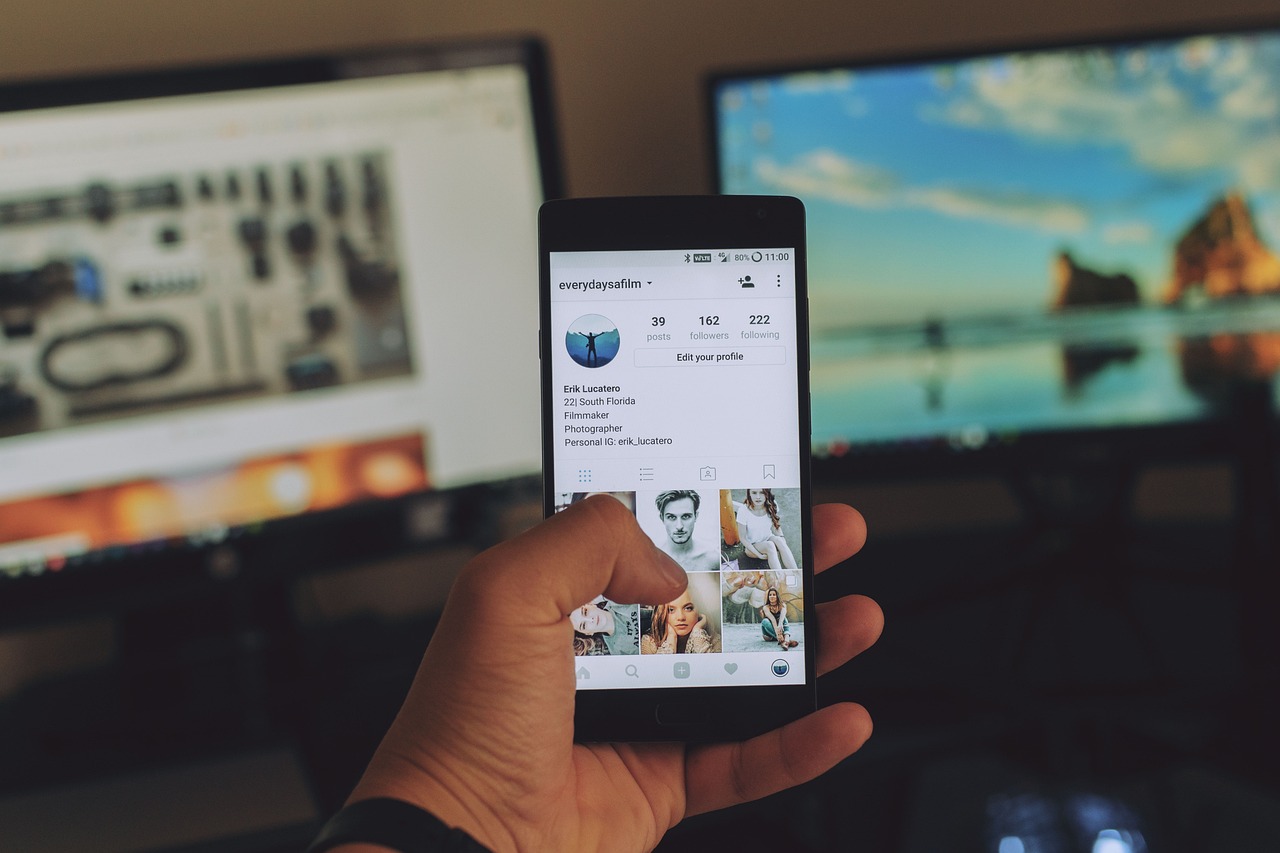
In today's mobile-driven world, a seamless user experience is paramount for visual businesses, especially those offering professional mobile photography services. To ensure top search rankings and attract the most clients, adopting a mobile first SEO approach is essential. This strategy centers on the understanding that a majority of users now access websites via smartphones and tablets, necessitating a design that prioritizes speed, usability, and visual appeal on smaller screens. A key component of this approach is responsive design, where a website's layout adapts dynamically to different screen sizes and orientations.
Implementing a mobile first SEO approach involves more than just a responsive design, however. It requires a holistic focus on user experience (UX). This includes optimizing site navigation for touchscreen interfaces, ensuring touch-friendly call-to-actions (CTAs), and prioritizing fast page load speeds. Streamlining the checkout process on an e-commerce site for mobile users can significantly boost conversion rates. Integrating Accelerated Mobile Pages (AMP) can dramatically reduce page load times, enhancing user satisfaction and boosting search engine rankings. When done effectively, these practices can turn a mobile website into a top-rated mobile vet service, attracting and retaining clients in a competitive market.
Emergency mobile optimization is another critical aspect. Many businesses suddenly find themselves needing to adapt quickly to new circumstances, such as a sudden surge in mobile traffic. A local photography studio might need to rapidly update its website to accommodate a new, high-demand service. Leveraging a mobile first SEO approach, they can swiftly make necessary adjustments to their responsive design, CTAs, and page speed, ensuring their website remains competitive and accessible. Utilizing local mobile SEO services can aid in this process by providing expert guidance tailored to the unique needs of visual businesses in approach. By focusing on these best practices, professional mobile photography services can not only stay ahead of the curve but also provide an exceptional mobile user experience that drives conversions and fosters customer loyalty.
Local SEO for Mobile Photography Businesses

In the fiercely competitive world of visual services, a mobile photography business needs more than just stunning images to stand out. A robust mobile-first SEO approach is essential to attract local clients, drive bookings, and grow your revenue. Google's Mobile-First Indexing means that the way your business appears on mobile devices-its speed, usability, and local optimization-is paramount.
Consider a potential client searching for "mobile photography near me" on their phone. They'll rely on a fast-loading, user-friendly website that shows up high in search results, ideally with a Google Maps listing. A best-in-class mobile website design isn't just about aesthetics; it's about providing a seamless experience from first contact to booking. Incorporate clear call-to-actions (CTAs) on your mobile landing pages, encouraging clients to book sessions or contact you directly.
Cost-effective mobile SEO strategies can significantly boost your online visibility. Focus on local keywords, such as "event photography approach" or "family portraits approach," to target your ideal customers. Optimize your Google My Business profile, ensuring all information is accurate and up-to-date, including photos, hours of operation, and service areas. A strong local SEO strategy not only increases your online presence but also fosters trust and encourages word-of-mouth referrals, transforming casual web browsers into loyal clients. A well-optimized mobile site can elevate your business from a local competitor, especially when combined with positive reviews on review sites.
Engaging Visual Content for Mobile Users

Creating engaging visual content tailored for mobile users is a cornerstone of any successful mobile first SEO approach for visual businesses. In today's mobile-driven world, where most internet traffic comes from smartphones, optimizing content for smaller screens and faster loading times is paramount. Experienced mobile web developers understand that the user experience (UX) on mobile devices significantly impacts search engine rankings.
Consider a mobile spa treatment business. Instead of simply replicating their desktop website, they focus on streamlined, mobile-friendly design that showcases high-quality images and videos of their services. By prioritizing fast page load speeds and intuitive site navigation, they ensure visitors can easily browse treatments and book appointments seamlessly on their phones. This mobile-optimized content not only enhances UX but also encourages conversions, as users are more likely to engage with visually appealing and easily accessible information.
A key component of this strategy is leveraging Accelerated Mobile Pages (AMP) to ensure pages load almost instantaneously. AMP's lightweight code and optimized structure make it a powerful tool in the mobile SEO arsenal. Incorporating micro-content-short, focused chunks of information that are easy to digest on mobile screens-can significantly improve user engagement. For our spa example, this might include quick snippets about treatment benefits, customer testimonials, or exclusive mobile offers displayed as users scroll.
When implementing a mobile first SEO approach, it's crucial to embrace affordable solutions without sacrificing quality. Utilizing existing high-resolution images, optimizing meta descriptions, and crafting compelling copy tailored for mobile screens are cost-effective strategies. By focusing on these elements, visual businesses can create content that captivates mobile users, drives traffic, and fosters trust, ensuring their online presence keeps pace with the latest mobile trends.
Tracking and Analyzing Mobile SEO Performance

Tracking and analyzing mobile SEO performance is crucial for visual businesses, such as mobile car detailing services, to understand their online impact and adapt their strategies. The mobile-first SEO approach dictates that mobile experiences should be prioritized, and this starts with comprehensive tracking. Key metrics like click-through rates (CTRs) from mobile search results, conversion rates, and time spent on page are essential indicators of success. A nearby mobile car detailing business might notice a sharp decline in CTRs if their website isn't optimized for mobile users, suggesting a need for better responsive design and faster loading times.
Google Analytics offers robust tools to monitor these metrics, allowing business owners to identify pain points and make data-driven decisions. By analyzing user behavior, they can pinpoint which pages or features are particularly popular on mobile devices, and which need improvement. For a small business, this data can be instrumental in refining their mobile website design to enhance user experience and drive conversions. A local business might discover that mobile users frequently abandon their site after interacting with a complex form, prompting them to streamline the process for better conversion rates.
Regularly reviewing and interpreting these analytics provides an ongoing assessment of the mobile SEO strategy's effectiveness. This iterative process is vital because user preferences and search engine algorithms evolve over time. Staying agile and adapting to these changes ensures that the mobile first SEO approach remains successful and relevant for visual businesses in a competitive market. As voice search becomes more prevalent, integrating voice-optimized content strategies can help maintain a strong mobile presence.
Frequently Asked Questions About Professional Mobile Photography: SEO for Visual Businesses
What is professional mobile photography, and why is it important for businesses? Professional mobile photography involves capturing high-quality images using state-of-the-art equipment at the client's location. It's crucial for businesses as visuals drive engagement, enhance brand identity, and improve customer understanding of products or services, leading to higher conversion rates.
How does SEO benefit visual businesses specializing in mobile photography? SEO optimizes websites for search engines, increasing online visibility. For visual businesses, this means attracting organic traffic through compelling, relevant images that rank higher in search results. Optimized images can lead to increased website time spent and improved conversion rates.
What are the key elements for optimizing mobile photography content for SEO? Focus on descriptive file names, alt tags, and captions. These elements tell search engines what's in the image, improving accessibility and relevance. Also, optimize image sizes for faster loading times and use relevant keywords naturally within them.
How can a visual business ensure its website is optimized for mobile photography content? Responsive web design is essential. This ensures the website adapts to different screen sizes, providing a seamless user experience. Use lightbox galleries for larger images, allowing users to zoom and engage without slowing the site.
What are some best practices for integrating mobile photography content into a website's SEO strategy? Integrate image content strategically throughout the site, including blog posts, product pages, and about sections. Diversify image formats (e.g., portraits, landscapes) and use them to support key information. Regularly update content with fresh, high-quality visuals to keep the site engaging and relevant.
Can mobile photography SEO strategies be adapted for e-commerce businesses? Absolutely. E-commerce sites can leverage product photography to showcase items from different angles and in use. Optimizing these images for SEO helps shoppers find products easily and enhances the overall online shopping experience, leading to increased sales.
Implementing a successful mobile first SEO approach for visual businesses requires a strategic blend of technical optimizations and engaging content strategies. By understanding the unique needs of mobile photography, businesses can ensure their visual content is optimized for faster loading and better user experience. On-page SEO, focusing on keywords and mobile-friendly design, and off-page strategies like local SEO and building quality backlinks, are essential for establishing authority. Engaging with users through visually appealing content and tracking key performance indicators allow businesses to refine their strategies and stay ahead in the competitive digital landscape. The practical takeaways from this article equip professionals with the knowledge to adapt their SEO practices, ultimately driving better search rankings and increased conversions for their mobile visual services.
Mobile First SEO Approach for Visual Businesses:
Optimize for mobile devices to dominate local search. Implement responsive design, fast page loads, and user-friendly CTAs. Leverage AMP, micro-content, and voice search strategies. Track mobile performance using Google Analytics for data-driven improvements. Adapt to evolving trends to stay ahead in a competitive market.